
When homeowners think about maintaining their property, the upper boundary of the house often comes to mind first in terms of shingles, tiles, or solar panels. However, the supporting elements along the perimeter play an equally vital role in keeping the structure sound and weather-resistant over many decades. Tucked right beneath the roofline sits a critical finishing component that works tirelessly behind the scenes to defend your rafters, support heavy drainage systems, and give your home a clean, polished appearance from the street.
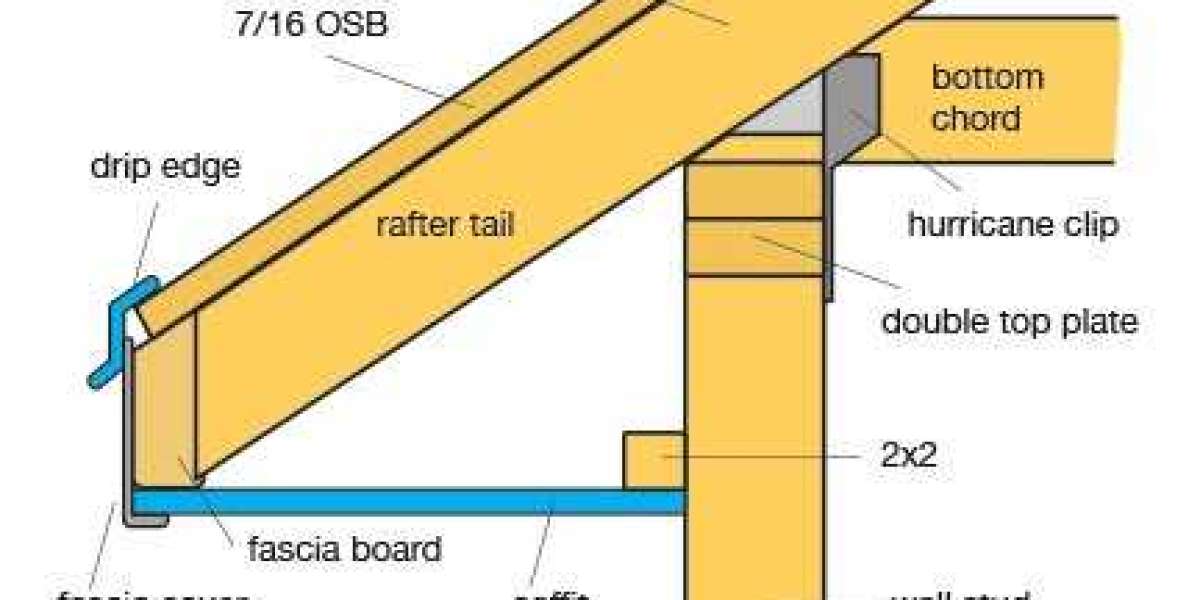
Many people walk past this exterior feature daily without realizing how much heavy lifting it actually performs. The long wooden or metal board attached directly to the exposed ends of the rafters—commonly known as the fascia roof line— acts as the primary barrier preventing water, wind, and pests from invading the interior framing. Without this protective trim, moisture could easily seep into the wooden supports, leading to rot, structural weakening, and costly interior damage.
How Fascia Boards Protect Your Home's Framing
The primary responsibility of the fascia board is to shield the edge of the roof deck and the underlying rafters from harsh weather conditions. Rain does not always fall straight down; wind-driven storms can force moisture sideways and upward against the eaves. The vertical face of the fascia creates a sturdy shield that blocks blowing rain and snow, ensuring that moisture drains safely away from the wooden bones of the building rather than lingering in dark crevices.
Beyond moisture management, this perimeter board provides a secure mounting foundation for your gutter system. Rain gutters gather tremendous amounts of water during heavy downpours, along with slush and ice during the winter months. To hold this weight without sagging or pulling away, gutters must be fastened firmly into a strong, resilient surface. The fascia board absorbs this structural burden, holding the gutters level so water flows efficiently toward the downspouts.
Signs Your Fascia Board Needs Attention
Because fascia boards sit outdoors continuously, they endure relentless exposure to sun, extreme thermal shifts, and wet conditions. Over time, wood can begin to decay if paint cracks or protective covers become damaged. Homeowners should periodically inspect their eaves for telltale signs of deterioration, such as peeling paint, soft spots in wood trim, discolored water stains, or sections of gutters that appear to be pulling away from the house.
Another subtle sign of trouble is an unexpected increase in insect or animal activity near the attic or soffits. Squirrels, birds, and insects look for small gaps caused by rotting wood to make their nests inside comfortable insulation spaces. Catching these early signs of damage allows you to repair or replace affected sections before the moisture spreads deep into the roof deck or internal rafters.
Materials Used for Modern Fascia Upgrades
Historically, traditional dimensional lumber was the standard choice for exterior house trim. While wood offers natural strength and classic aesthetic charm, it demands routine maintenance including painting, sealing, and caulking to stay waterproof. Modern homeowners frequently opt for low-maintenance alternatives designed to withstand harsher climates without decaying.
Aluminum trim coil and vinyl covers are now widely used to encapsulate existing wooden boards or serve as standalone exterior components. These engineered materials resist rust, rot, and insect infestation completely. Furthermore, they are available in a wide variety of factory-baked colors, eliminating the need for periodic repainting while offering a crisp, clean aesthetic that elevates the curb appeal of any home.
Ensuring Long-Term Durability Through Proper Installation
Installing or replacing fascia boards requires careful attention to detail, especially regarding flashing and water management. A properly installed drip edge—a thin sheet of metal tucked under the lowest layer of shingles—should extend slightly over the top edge of the fascia. This ensures that water running off the roof flows directly into the gutters without trickling behind the board and rotting the hidden wooden core.
Proper ventilation and underlying roof drainage also heavily influence how long your fascia lasts. If heat and humidity collect inside the attic during summer or ice dams form along the edges during winter, moisture will slowly ruin even high-grade trim from the inside out. Working with experienced exterior professionals ensures that all elements of the roof margin are integrated harmoniously to maximize longevity.
Taking time to understand and maintain the trim around your eaves safeguards your entire roofing investment. By keeping your gutters secure, preventing water intrusion, and maintaining an attractive exterior line, a well-cared-for fascia system pays dividends in home protection and peace of mind.