
Gold has fascinated human civilizations for thousands of years, serving as a symbol of wealth, power, and timeless beauty. Whether you are browsing a luxury jewelry boutique or looking into physical metal investments, understanding gold purity is essential to making an informed decision. The way gold is measured, refined, and alloyed plays a massive role in how a piece looks, wears, and holds value over time.
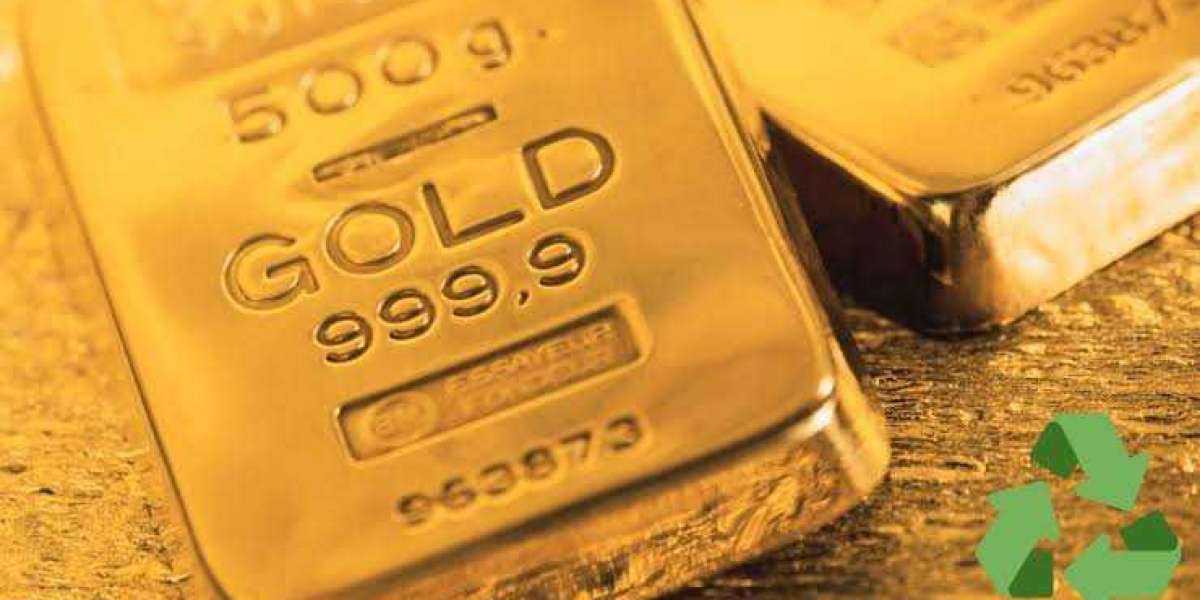
When people talk about precious metals in their unadulterated state, they often wonder about the exact composition of pure gold. In practical terms, 100 pure gold is referred to as 24-karat gold, meaning that all twenty-four parts of the alloy are pure elemental gold with no added metals like copper, silver, or zinc. This degree of purity gives the metal a distinct, vibrant yellow color and a rich warm luster that is impossible to replicate with base metal mixtures.
The Physical Properties of Unalloyed Gold
Pure gold is exceptionally soft and malleable. In fact, a single gram of it can be beaten into a sheet measuring one square meter, or drawn into extremely fine wires without breaking. While these characteristics make unalloyed gold a dream for refined crafting techniques, they also make the metal susceptible to bending, scratching, and losing its fine details over time.
Because pure gold lacks the structural reinforcement provided by other metals, it behaves quite differently than everyday jewelry items. Heavy wear, accidental bumps, or daily friction can easily leave visible marks on soft gold surfaces. For this reason, artisan jewelers throughout history have treated high-karat gold with immense care, often reserving it for decorative art, ceremonial pieces, or specialized traditional ornamentations.
Why Karats Matter in Everyday Jewelry
To make gold durable enough for daily wear, master craftsmen mix pure gold with secondary metals, creating what are known as gold alloys. The karat system measures the proportion of gold in twenty-four parts. For instance, 18-karat gold contains eighteen parts pure gold and six parts other metals, making up three-quarters pure content. Lower karats, such as 14K or 10K, contain progressively smaller percentages of gold, trading purity for increased hardness and resistance to everyday scuffs.
Choosing the right karat involves balancing color preference, durability requirements, and budget. High-karat pieces retain the unmistakable warmth and rich tone associated with pure precious metal, while lower-karat items offer practical toughness for items subject to high impact, such as everyday rings or functional bracelets.
Evaluating Gold for Investment vs Wearability
For investors, the primary objective is securing metal in its purest available form, typically high-grade bullion bars or coins. Investors prioritize purity because it represents pure material value without the added markup of elaborate artisanal crafting or design fees. Physical bullion stored in vaults or secure personal storage retains intrinsic value tied directly to international spot prices.
On the other hand, jewelry buyers often prioritize aesthetics, comfort, and structural longevity. A piece worn on the body needs to withstand skin contact, moisture, and occasional knocks. Understanding how karat levels impact daily functionality helps buyers select pieces that offer both beautiful design and lasting durability without premature wear.
Caring for High-Purity Precious Pieces
Maintaining pieces crafted from high-purity gold requires gentle care. Because harsh chemicals, abrasive cleaning agents, and rough polishing clothes can strip micro-layers or dull the natural finish, high-karat items should be handled thoughtfully. Routine cleaning using warm water, mild soap, and a soft microfiber cloth is usually sufficient to remove skin oils and environmental residue.
When storing high-purity pieces, keep them separated from other jewelry items containing hard gemstones like diamonds or sapphires. Storing items individually in soft fabric pouches or velvet-lined boxes prevents accidental surface scratching and preserves the radiant, warm sheen for generations to come.