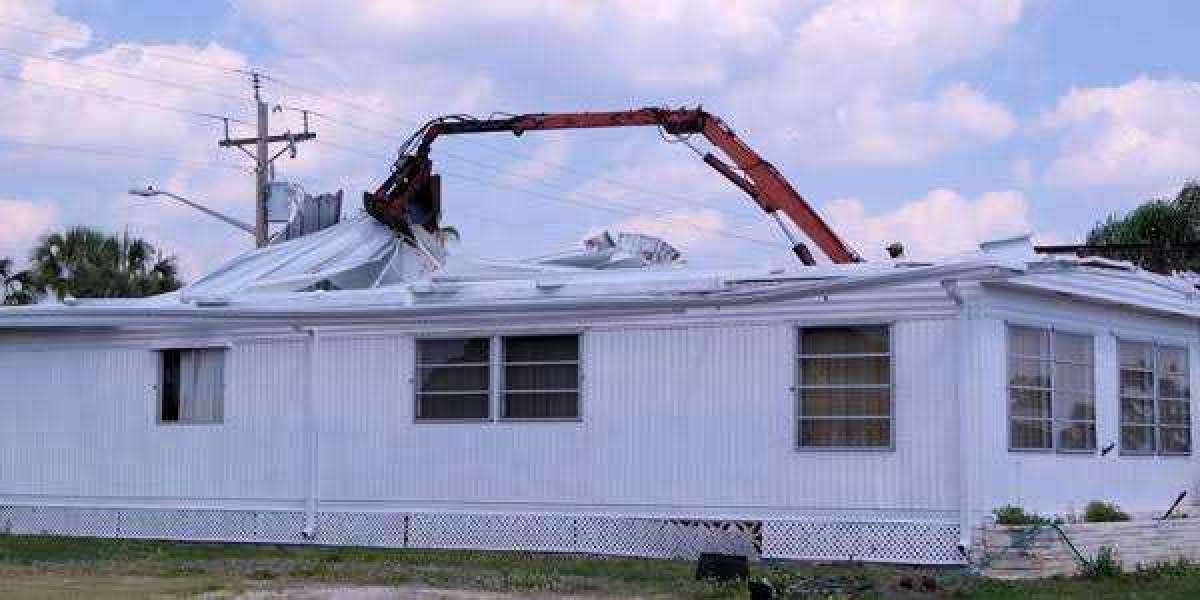

Taking down or clearing out an older structure on a piece of land is a major milestone for any property owner. Whether you have recently purchased land with an aging structure on it or you are looking to replace an outdated unit with a modern alternative, clearing the space requires thoughtful planning. Understanding what goes into the process can help you budget appropriately and prevent unexpected surprises along the way.
Many factors come into play when calculating the overall cost of removing a mobile home. The size of the unit, its physical condition, accessibility to heavy machinery, and local disposal fees all influence the final figure. Working with experienced professionals ensures the job is done safely and in compliance with regional waste management laws, making the investment well worth it for a fresh start on your land.
The initial phase of any clearing project involves evaluating the physical dimensions and structural integrity of the unit. A single-wide structure generally requires less labor and equipment to tear down and transport than a double-wide or triple-wide structure. However, structural damage, water exposure, or compromised floorboards can complicate the process. Specialized equipment or additional manual labor may be required to break down unstable sections safely, which ultimately impacts the time and effort needed to complete the job.
Accessibility is another critical element that property owners often overlook. Heavy machinery, such as excavators, dump trucks, and hauling trailers, need clear, unobstructed paths to enter and maneuver around the site. If the property is surrounded by dense trees, low-hanging power lines, soft soil, or narrow roadways, contractors may need to take extra precautions or bring in smaller, specialized equipment. Preparing the site ahead of time by clearing loose debris or trimming overgrown vegetation can help streamline the setup process for the crew.
Permits and local municipal regulations also play a significant role in site clearance projects. Most local governments require specific permits before any major structure can be dismantled or removed from a parcel of land. Utility disconnects—including water, electricity, gas, and septic systems—must be performed by licensed tradespeople prior to demolition. Failing to secure the necessary permits or handle utility disconnections properly can lead to costly fines or safety hazards, so accounting for permit fees and utility coordination in your initial planning is essential.
Disposal fees constitute another major portion of the overall expenses. Once the structure is taken down, materials like wood, metal, insulation, and roofing must be sorted, loaded, and transported to designated landfills or recycling facilities. Disposal centers usually charge by weight or volume, meaning heavier materials will naturally incur higher fees. Salvaging usable metal parts, copper piping, or appliance hardware can sometimes offset a small portion of these expenses, though recycling policies vary by region.
Ultimately, proper site preparation opens up endless possibilities for land development, agricultural use, or building a brand-new home. By taking the time to assess site conditions, obtain necessary permits, and work alongside qualified disposal specialists, land owners can achieve a clean slate efficiently and safely.