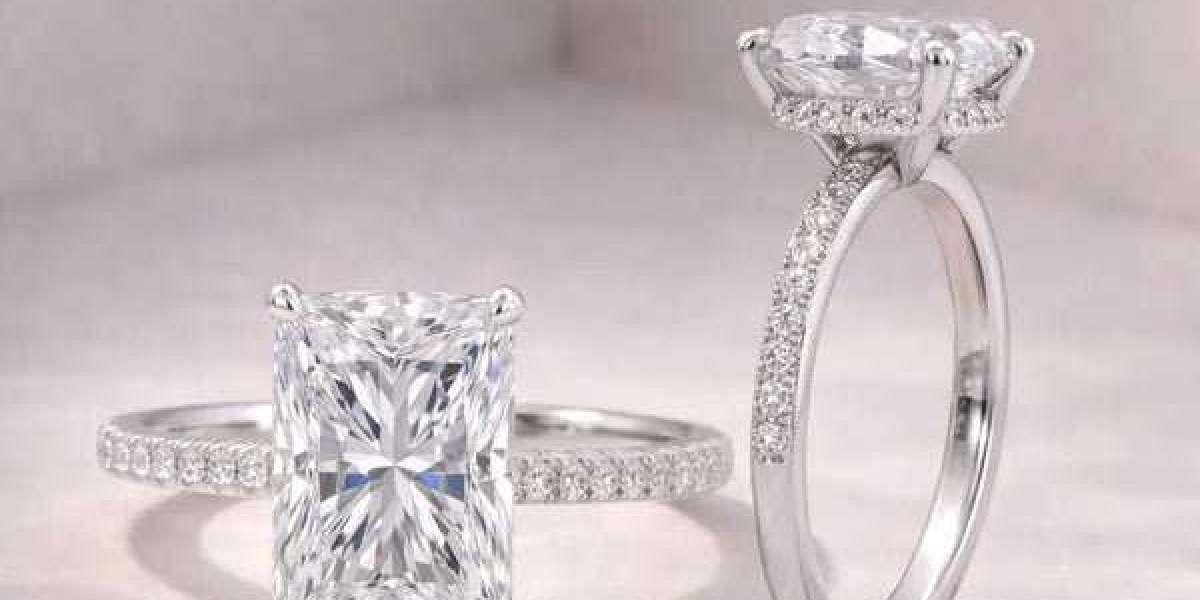

For centuries, fine jewelry was defined strictly by traditional mining practices, with natural stones representing the pinnacle of luxury and endurance. In recent years, however, technological advancements have introduced modern choices that expand options for buyers looking for modern aesthetics. Modern gemology now seamlessly blends science with artistry, giving fine jewelry buyers unprecedented access to beautiful, durable stones.
As modern science has refined the gemstone creation process, selecting a lab manufactured diamond has become an increasingly popular decision for contemporary buyers seeking brilliant optical clarity alongside tailored color choices. Understanding how these stones develop helps demystify the technology while highlighting how far gemstone engineering has come in reproducing precise crystal lattice formations.
Science Behind Advanced Gemstone Synthesis
The process of recreating natural geological conditions in controlled laboratory environments requires extreme precision and deep scientific understanding. Diamonds form deep within the Earth under conditions of immense heat and pressure over millions of years. Modern technicians replicate these physical parameters using complex machinery designed to exert thousands of atmospheres of pressure alongside high thermal output.
Two primary techniques drive this field: High Pressure High Temperature synthesis and Chemical Vapor Deposition. High pressure techniques recreate the intense physical forces found within the mantle, allowing carbon atoms to bond in a classic octahedral structure. Chemical vapor techniques take a different approach, breaking down carbon-rich gases in a vacuum chamber so that carbon atoms settle layer by layer onto a foundation seed. Both methods result in authentic, crystalline carbon structures identical to those formed naturally.
Optical Properties and Visual Brilliance
When evaluating any fine gemstone, light behavior remains the most important quality factor. A synthesized diamond exhibits identical refractive indices, light dispersion, and thermal conductivity compared to mined stones. This means the way light enters, bends, and bounces back to the human eye produces the exact sparkle, fire, and scintillation long associated with traditional fine jewelry.
Color variations also present fascinating opportunities within modern gemology. By introducing trace elements during the atmospheric growth phase, technicians can influence tone and saturation. Small amounts of boron yield rich blue shades, while nitrogen introduces warm yellow tones. This level of precise atmospheric control gives buyers access to vibrant fancy hues that are extraordinarily rare in nature.
Making an Informed Decision for Your Collection
Selecting fine jewelry should always be a thoughtful process driven by individual preferences, style considerations, and long-term goals. Understanding gemological grading reports allows buyers to evaluate cut quality, clarity grades, and carat size with confidence. Independent gemological laboratories inspect synthesized stones using the same precise criteria applied to mined gems, providing full transparency regarding optical characteristics.
Whether chosen for visual appeal, technological interest, or color availability, modern stones offer an exciting avenue for personal expression. By understanding the science and care behind these creations, you can select a piece that brings lasting joy and elegance to your personal collection.