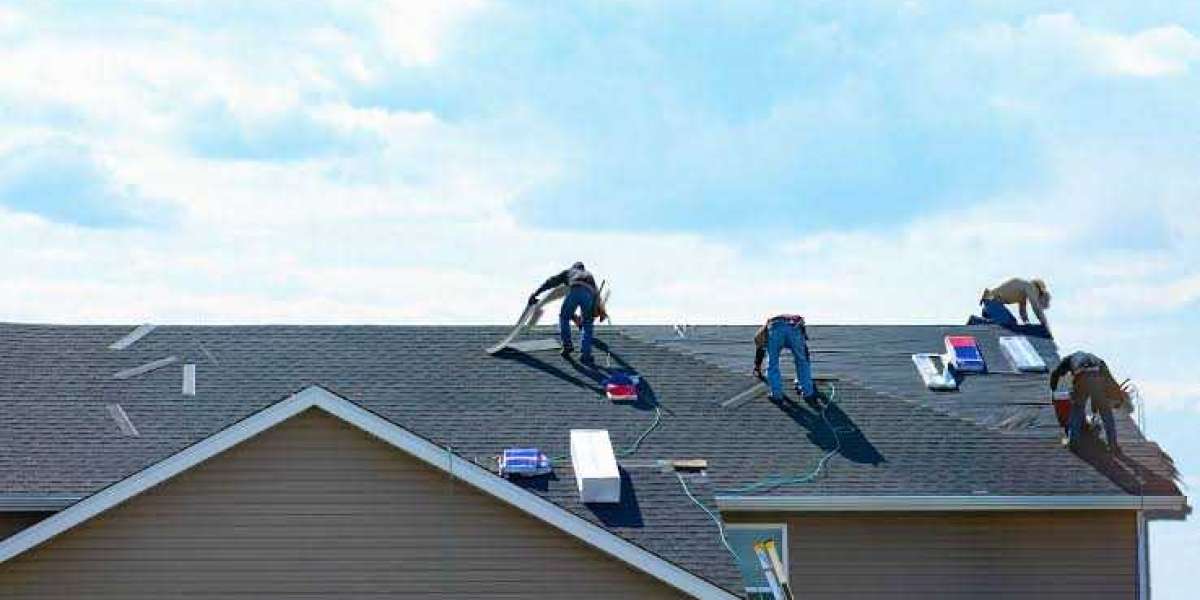

Living across the Great Plains brings a unique appreciation for changing seasons, wide-open skies, and remarkable weather patterns. From blazing summer afternoons to sudden freezing cold snaps accompanied by heavy snowfall, residential structures bear the brunt of these dynamic climate conditions year after year. Among every component of a home, the roof stands as the primary shield protecting structural framing, insulation, interior drywall, and personal possessions from moisture infiltration. Over decades of exposure, constant atmospheric pressure creates subtle wear that can quickly turn into costly structural compromise if overlooked.
Understanding how regional climate patterns interact with varied architectural designs helps homeowners stay proactive regarding structural preservation. Moisture accumulation beneath damaged decking often remains invisible until indoor ceiling stains appear, making routine observational checkups an essential part of regular household maintenance. Engaging reliable roofing companies nebraska allows property managers to establish thorough maintenance schedules tailored specifically to localized wind patterns, hail trends, and ice accumulation hazards.
Thermal expansion and contraction represent one of the most continuous challenges faced by residential exterior materials throughout the central states. During midsummer months, roof surfaces absorb direct sunlight, reaching elevated temperatures that cause asphalt, wood, and composite materials to expand. As temperatures drop rapidly after sundown, these materials contract, placing repeated physical stress on seals, fasteners, and flashing alignments. Over time, this natural thermal cycle can loosen roofing nails, break adhesive seals between adjacent shingles, and cause minor stress fractures along vulnerability lines.
Beyond thermal fluctuations, severe weather events present immediate threats to structural integrity. High-velocity straight-line winds and convective thunderstorms routinely generate atmospheric uplift capable of peeling back edge metal, lifting unsealed shingles, and tearing away protective Underlayment membranes. Once windward edges are compromised, rainwater driven by heavy gusts can find tiny paths directly beneath the primary protective layer. This wind-driven moisture often settles into the wooden roof deck, quietly encouraging wood rot and weakening internal structural trusses long before water drops begin falling into living spaces.
Winter introduces its own complex set of challenges through ice dam formation along eaves and gutter lines. When heat escapes from poorly ventilated attics, it warms the upper sections of the roof deck, melting the bottom layer of accumulated snow. As this runoff flows down toward the unheated eaves, it freezes again, creating a solid barrier of ice that holds subsequent meltwater in place. The standing water trapped behind these ice dams can back up underneath shingles, seeping into roof sheathing and ruining insulation materials inside the attic space.
Mitigating these destructive forces requires consistent attention to secondary roofing elements, such as ridge vents, valley flashing, and drip edges. Metal flashings around chimneys, skylights, and plumbing stacks represent some of the most critical waterproofing points on any roof structure. Because metal and surrounding roofing materials expand and contract at different rates, sealant lines around flashings gradually deteriorate. Periodically inspecting these delicate junction points ensures that water is continuously directed into drainage systems rather than into structural gaps.
Homeowners can perform simple visual assessments from ground level using binoculars after major storm systems pass through the area. Key indicators of potential trouble include uneven shingle lines, missing material, visible granules accumulated near downspout discharges, and discolored soffit boards. Catching minor degradation early prevents widespread decking saturation, preserving structural framing while avoiding complex interior restoration projects down the road.
Ultimately, protecting a home against unpredictable weather comes down to consistent maintenance, quality material selection, and expert structural evaluations. Investing time into seasonal inspections, gutter clearing, and timely structural touch-ups ensures that a residential roof remains strong, dry, and capable of enduring whatever atmospheric conditions the changing seasons bring.