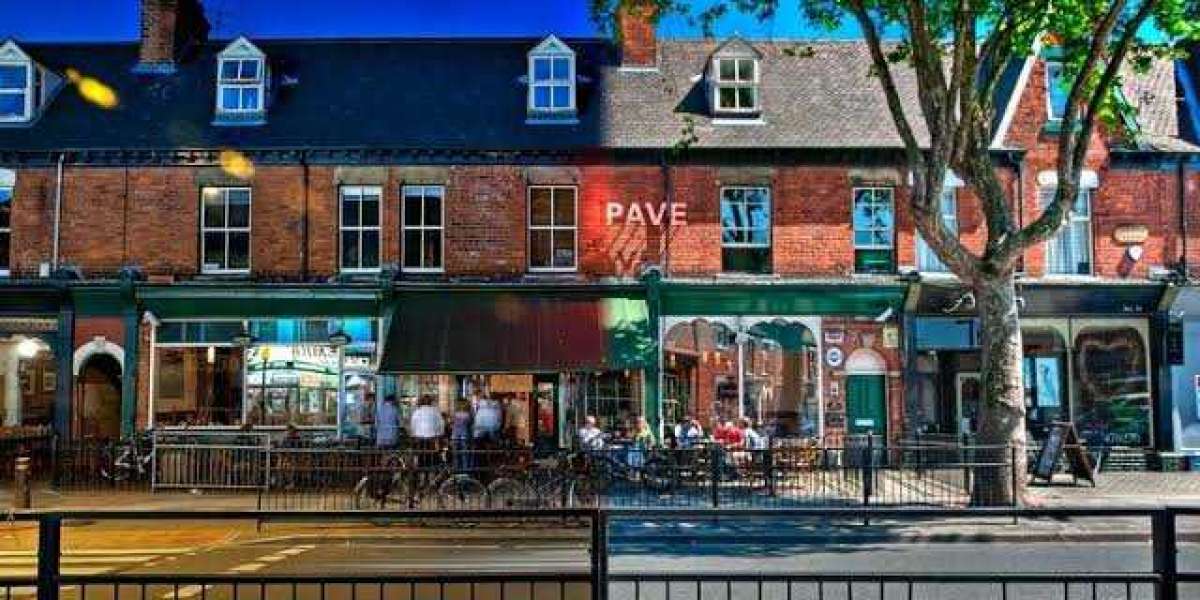

Every city has a neighborhood that seems to preserve the heart of its history while effortlessly adapting to modern life. In London, Ontario, that destination is the vibrant and tree-canopied enclave of Woodfield. Wandering through its quiet thoroughfares offers a refreshing contrast to the fast-paced energy of the commercial core just blocks away. The charm of this area relies heavily on its preserved brick architecture, leafy streetscapes, and an overwhelming sense of community pride.
Among the central avenues that wind through Woodfield, princess avenue stands out as a quintessential representation of historic residential living. Walking along this corridor allows residents to experience Victorian-era heritage alongside contemporary urban convenience, creating an atmosphere that feels both timeless and deeply connected to downtown amenities.
To understand why this part of town holds such a enduring appeal, one must look closely at its architecture. Victorian, Edwardian, and Gothic Revival homes line the roads, boasting detailed woodwork, grand front porches, and distinct brickwork crafted over a century ago. These properties are not merely historical relics; they are lived-in spaces that have been carefully maintained and modernised inside while retaining their classic facades. The architectural diversity ensures that no two blocks look identical, offering eye-catching details at every turn.
Beyond the aesthetics, the everyday lifestyle here is defined by extraordinary walkability. Residents enjoy immediate access to Victoria Park, a central green space that hosts festivals, seasonal markets, and outdoor recreation throughout the year. Having a sprawling municipal park within short walking distance transforms how people spend their leisure time. Mornings can be spent strolling under historic shade trees, while evenings offer quick access to local dining, independent coffee shops, and cultural venues.
The sense of community in this downtown neighborhood is equally noteworthy. Local associations and active residents take immense pride in preserving the historical character of their surroundings while hosting events that bring neighbors together. Seasonal porch concerts, garden tours, and community clean-up days are common, fostering genuine connections among those who live here. This strong neighborhood spirit makes the area especially appealing to young professionals, growing families, and retirees alike.
Living in a historic district also brings unique practical benefits. The surrounding infrastructure supports active transit, with well-established cycling paths, public transit stops, and pedestrian-friendly sidewalks connecting the neighborhood directly to the university, major hospitals, and commercial districts. Commuters appreciate spending less time stuck in traffic and more time enjoying their immediate surroundings.
As urban centers continue to expand with high-density modern developments, historic residential pockets become increasingly valuable. They offer a grounded sense of place that contemporary master-planned communities often struggle to replicate. The seamless blending of old-world elegance with urban accessibility creates a living experience that remains highly sought after.
Investing time in exploring this part of the city reveals why it remains one of the most desirable residential areas. The combination of leafy residential peacefulness and immediate proximity to downtown pulse offers the absolute best of both worlds for anyone looking to establish deep roots in the community.