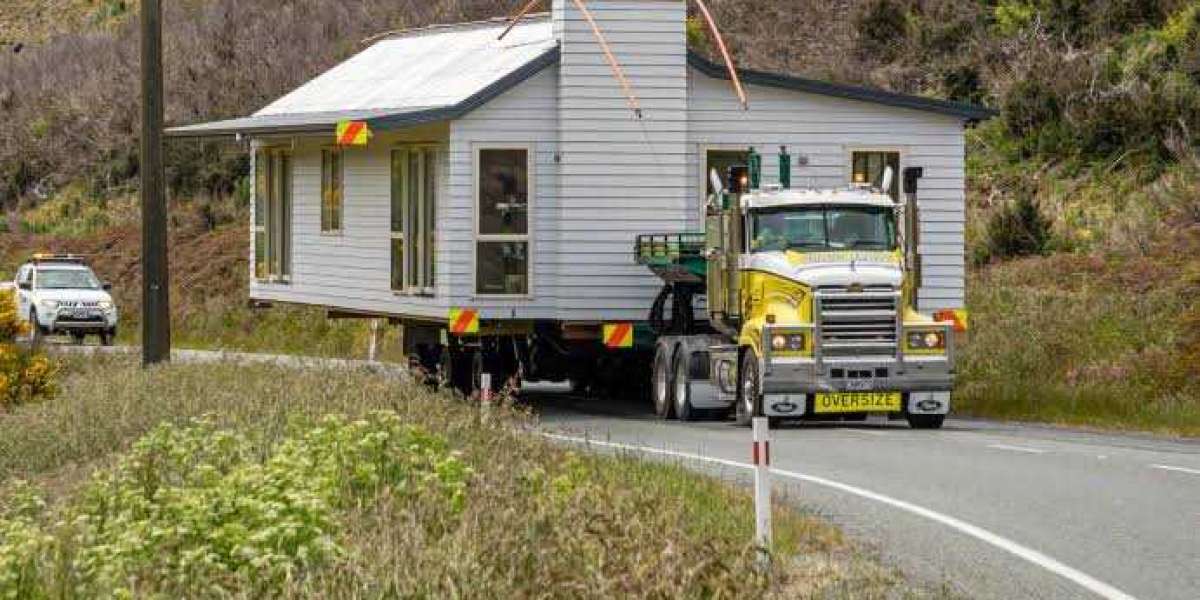

Owning land with an outdated manufactured structure can quickly turn a potential asset into a practical headache. Whether you inherited a piece of rural property, purchased a lot with an old unit already sitting on it, or simply reached the end of a structure’s useful life, figuring out how to handle the empty space is a major decision. Unattended homes can deteriorate rapidly under harsh weather, attracting unwanted pests and potentially creating liability concerns for property owners. Moving forward requires a clear understanding of the logistics, safety requirements, and local regulations involved in reclaiming your acreage.
Before taking any physical steps, property owners must assess the physical state of the structure and the land surrounding it. Professional mobile home removal involves evaluating whether the unit can be safely moved intact or if it requires careful dismantling on-site. The overall structural integrity, the condition of the chassis, and the presence of additions like built-in porches or carports all influence the necessary approach. Understanding these variables early prevents unexpected complications once machinery and crews arrive on your property.
Assessing Site Accessibility and Utility Disconnections
One of the most critical steps in preparing a parcel for clearing is ensuring safe access for heavy equipment. Large flatbed trailers, towing vehicles, and demolition machinery need a clear path from the main road to the structure. Overhanging tree branches, narrow dirt driveways, soft soil conditions, and unpaved access routes can all pose challenges. Evaluating the surrounding terrain helps determine whether ground stabilization or tree trimming will be required before any major work begins.
Equally important is the systematic disconnection of all public and private utilities. Electricity, gas, water, and sewage lines must be properly shut off and capped according to local safety codes before any clearance work starts. Attempting to move or dismantle a structure with active utility connections poses severe safety risks to workers and surrounding property. Hiring licensed plumbers and electricians to handle these disconnections ensures that your site remains safe and compliant with local municipal codes.
Navigating Local Permits and Environmental Guidelines
Every municipality maintains specific regulations governing the removal or demolition of residential structures. Obtaining the correct permits is not merely a formality; it ensures that the project meets regional environmental and safety standards. Local building departments often require proof that utilities have been disconnected and that waste disposal plans align with community recycling and landfill mandates. Skipping these administrative requirements can lead to costly fines or legal delays.
Environmental considerations also play a large role in modern property clearing. Older manufactured homes sometimes contain materials, such as specific types of insulation or siding, that require specialized handling and disposal. Local regulations usually dictate how these materials must be sorted, transported, and deposited at certified recycling or waste management facilities. Responsible disposal keeps harmful substances out of local landfills and helps protect the surrounding natural environment.
Reclaiming and Preparing Your Land for Future Use
Once the structure has been completely cleared from the lot, the focus shifts to restoring the ground beneath it. Years of coverage can result in compacted soil, uneven ground levels, or buried debris from foundation piers and anchors. Grading the land and filling in depressions is essential, especially if you plan to build a new residence, plant vegetation, or place a updated home on the exact same spot. Proper site grading prevents future water drainage issues and establishes a stable foundation for whatever comes next.
Restoring the site gives landowners a fresh starting point to fully enjoy their property. Whether your ultimate goal is reselling the vacant lot, upgrading to a modern prefabricated home, or simply creating open green space, taking a methodical approach to clearing the old structure ensures long-term success. By carefully managing site access, utility cutoffs, permits, and soil restoration, you transform an old liability into a valuable, usable piece of land.